Immaculate pilot student in uniform analyzing an aviation navigation chart in a bright, modern classroom, sharp focus, high-key daylight

IGIA / DGCA Theory Preparation

Master High-Stakes Aviation Exams

Prepare under senior commanders. Our structured ground school delivers flight deck readiness through rigorous navigation, meteorology, air regulation, technical general, tech specific & rt modules.

Core Curriculum

Six Pillars of Navigation

Our academic framework focuses on first-attempt success, breaking down complex technical subjects into structured, digestible flight modules.

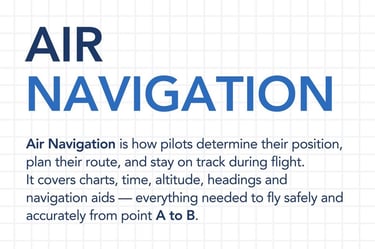
Air Navigation

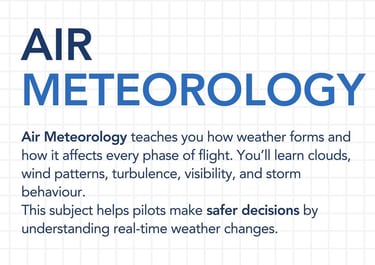
Aviation Meteorology

Air Regulations

Master flight planning, plotting, and instrument procedures. Learn to calculate wind vectors and navigate global airspace with absolute precision.

Interpret high-altitude wind charts, decode weather reports, and anticipate critical atmospheric hazards to ensure safe flight operations.

Study international aviation laws, airspace classifications, and operational procedures required to command commercial aircraft safely.

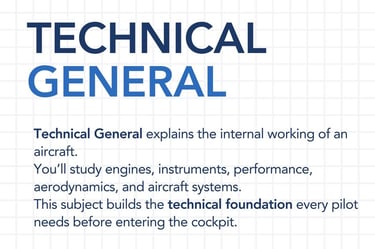
Technical General

Technical Specific

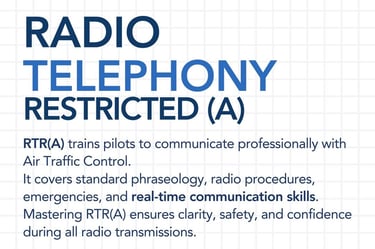
Radio Telephonic (R)

Master the flight technology (TG) is a foundational of mechanical, electrical, and physical principles of how an aircraft operates. It serves as a pilot's introductory engineering course, covering how engines produce power, how wings generate lift, and how onboard systems function.

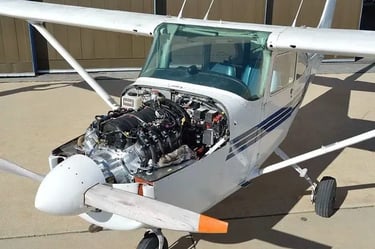
Master In aviation, Technical Specific refers to the theoretical subject and examination that tests a pilot's in-depth knowledge of the exact aircraft type they will fly during their training or career. It focuses on the practical operation, systems, and limitations of a specific plane, such as a Cessna 172 or Diamond.

A pilot requires this certification to establish essential, clear communication with Air Traffic Control (ATC) and other aircraft, making it an indispensable tool for flight safety, navigation, and handling emergency situations.

Proven Outcomes

First-Attempt Success Rates

99%

DGCA Pass Rate

10700+

Active Alumni

100%

Mock Compliance

Command Your Future

Secure your seat in our upcoming ground school batch. Join India's elite pilot candidates preparing for commercial flight decks.

Frequently asked questions

1. What is Indira Gandhi Institute of Aeronautics?

Ans: IGIA Aviation Academy is a premier aviation training institute offering professional courses in Commercial Pilot Training, DGCA Ground Classes, Cabin Crew - Air Hostess Training, Airport Ground Management, and Aviation Hospitality. With expert faculty, industry-oriented training, and career-focused guidance, IGIA prepares aspiring aviation professionals for exciting opportunities in the global aviation industry.

2. What is a Commercial Pilot Licence (CPL)?

Ans. Commercial Pilot Licence (CPL) is a professional pilot licence that allows a qualified pilot to fly aircraft for commercial operations, subject to applicable DGCA regulations, ratings, medical requirements and other licensing conditions.

The CPL pathway involves theoretical knowledge, DGCA examinations, medical requirements and practical flight training.

3. What is the DGCA CPL syllabus?

Ans. The DGCA CPL syllabus covers important aviation subjects that build the theoretical knowledge required for professional pilot training.

The major subjects covered in CPL ground preparation include:

  • Air Navigation

  • Aviation Meteorology

  • Air Regulations

  • Technical General

  • Technical Specific

  • Radio Telephony (RTR), where applicable

At IGIA Aviation, CPL ground classes are structured around these core areas with exam-focused preparation and aviation-oriented learning.

4. What are DGCA CPL Ground Classes?

Ans. DGCA CPL Ground Classes are theoretical training programs designed to help aspiring commercial pilots understand aviation subjects and prepare for applicable DGCA examinations.

At IGIA Aviation, the curriculum includes Air Navigation, Aviation Meteorology, Air Regulations, Technical General, Technical Specific and Radio Telephony-related training.

5. Is DGCA CPL Ground Training compulsory?

Ans. CPL ground preparation is an important part of the pilot-licensing pathway because aspiring pilots need the required theoretical knowledge and must meet applicable examination requirements.

Structured ground classes can help students understand complex aviation concepts, practise calculations, revise important topics and prepare systematically for examinations.

6. What subjects are included in CPL Ground Classes?

Ans. The core subjects generally covered in CPL ground preparation include:

Air Navigation: Flight planning, navigation, charts, calculations and related procedures.

Aviation Meteorology: Weather systems, forecasts, reports and atmospheric conditions relevant to flight operations.

Air Regulations: Aviation rules, procedures and regulatory requirements.

Technical General: Aircraft systems, engines, instruments and fundamental aviation engineering concepts.

Technical Specific: Aircraft-specific technical knowledge.

Radio Telephony: Aviation communication and radio procedures.

The exact examination requirements and syllabus should always be checked against the latest DGCA information.

8. How many subjects are there in the DGCA CPL syllabus?

Ans. IGIA's current CPL ground-school curriculum is organized around six primary areas:

  1. Air Regulations

  2. Air Navigation

  3. Aviation Meteorology

  4. Technical General

  5. Technical Specific

  6. Radio Telephony (RTR)

However, students should distinguish between an institute's training curriculum and the subjects/examinations specifically prescribed by DGCA for a particular licence or stage. Always check the latest DGCA examination information before applying.

10. What is Aviation Meteorology in CPL training?

Ans. Aviation Meteorology deals with weather conditions and atmospheric phenomena that affect aircraft operations.

Students learn about topics such as:

  • Weather systems

  • Atmospheric conditions

  • Wind

  • Clouds

  • Visibility

  • Pressure

  • Temperature

  • Weather reports and forecasts

  • Aviation weather hazards

Understanding meteorology helps pilots make informed decisions about flight planning and safety.

7. Is the DGCA CPL exam difficult?

Ans. The difficulty of DGCA examinations depends on the student's academic foundation, understanding of aviation concepts, preparation strategy and consistency.

Subjects such as Air Navigation and Technical General can require regular practice, while Air Regulations and Meteorology require strong conceptual understanding and revision.

With disciplined study, mock tests, revision and expert guidance, students can prepare more confidently for their examinations.

9. What is Air Navigation in the DGCA CPL syllabus?

Air Navigation teaches pilots how to determine and maintain an aircraft's position and route during flight.

Topics may include:

  • Charts and plotting

  • Flight planning

  • Navigation calculations

  • Wind and heading calculations

  • Time and distance

  • Navigation instruments

  • Route planning

  • Radio and electronic navigation concepts

It is one of the key theoretical areas of professional pilot training.

11. What is Air Regulations in DGCA CPL preparation?

Air Regulations covers the rules, procedures and regulatory framework relevant to aviation operations.

Students learn about applicable aviation regulations, airspace, operational procedures, pilot responsibilities and other regulatory concepts required for professional aviation.

Because aviation regulations can change, students should always refer to the latest DGCA publications and applicable regulations.

12. What is RTR in pilot training?

RTR (Radio Telephony) relates to aviation radio communication.

Pilots need effective communication with Air Traffic Control (ATC) and other aviation personnel. Radio-telephony training helps students understand standard communication procedures, phraseology and operational communication.

The applicable examination/certification requirements should be confirmed from the latest regulatory information2

14. What is Technical Specific in CPL training?

Technical Specific focuses on the technical knowledge of a particular aircraft type.

Students may learn about the aircraft's:

  • Systems

  • Instruments

  • Engine

  • Limitations

  • Performance

  • Operating procedures

  • Aircraft-specific characteristics

The exact content depends on the aircraft type and applicable training requirements.

13. What is Technical General in CPL?

Technical General (TG) provides pilots with fundamental knowledge of aircraft engineering and operation.

Depending on the applicable syllabus, students may study:

  • Aircraft systems

  • Engines

  • Electrical systems

  • Flight instruments

  • Aircraft structures

  • Principles of flight

  • Basic aerodynamics

  • Aircraft performance

  • Related technical concepts

The objective is to help pilots understand how an aircraft and its major systems operate.

15. How can I contact you?

Ans. You can reach us by +91-9872848881 / E-mail us @ chandigarh@igiaindia.in & our Address is IGIA SCO-491-492, 2nd Floor, Sector 35 C, Chandigarh. We are always happy to answer your questions.